
I often wonder why other amateurs take such refuge in their own thoughts about self-improvement. Is it because they want to over-achieve and persevere in the rarest of occasions? Could it also be that they just feel and want an optimal platform they are comfortable with? How about, “Just because?” In this wonderful excerpt that is what I attempt to explore.
On April 15th 2023 between 06:00 ET and 13:00 ET I set about a task to have a field deployable(s) asset that meets these specific requirements.
- Shall accommodate a VHF/UHF and HF Amateur Radio Transceiver.
- Shall be housed within a moisture resilient container.
- Shall be easily field deployable within a modest reach of plug and play functionality.
- Shall be ergonomic
- Shall be easily repairable or adaptable with other field gear.
During my design phase I came across a few concerns. Being an Onondaga County Assistant Emergency Coordinator and with key knowledge of our county standard operating procedures I know full well that out acceptable style of operation in a deployment is VHF/UHF for on-location / on-prem / deployable communications with off-site HF assets operating from home stations. This one concern is with a specific duty that I may have been given, I understand that having both assets in a co-dependent chassis was not ideal. Bulk and weight of certain objects tend to be obviously heavy and when paired together, begin to weigh down an operator quite easily. This meant a separate chassis for both styles of operation.
I then came across another concern of commonality between loadouts. Since I use a Signalink for digital mode communications, that has a dial settings for delay, RX and TX adjustments, that had to be within hands reach along side VFO, volume and other transceiver adjustments. DC power is another commonality necessary to each type of load out. That should also be of concern to myself as an operator and be close enough to monitor and show some level of concern. In one handy package I have my power hookups, Digital Communications and a transceiver.
One may ask, “Where is your power supply?” “Where is your computer?” “What about an SWR Meter?” “Microphone?” This is a valid concern as well but if thought about in a very contemplative manner, those could be deemed as ancillary in nature. Why may I suggest a microphone or computer is ancillary? It all depends on what items are absolutely and truly necessary to a desired mode of communication and in-turn what peripherals are time-consuming to humanly interface. All amateur radio operators know how to use an Amateur Radio Transceiver Microphone, Correct? We all had to use one at one time or another. That being said, how easy is it for an operator to plug in their microphone? All of 10 Seconds? How easy is it to unplug it? Pretty Easy right? now how about a Signalink to a computer, calibrate audio settings and connectivity to a computer? It is a totally different experience. Having a microphone as a ancillary piece of equipment is easy to retrieve from one’s stockpile, but a Signalink with interface cables and a computer is much more complex and therefore should be thought of as an integrated unit. In this kit what I have done is integrated my Signalink, Microphone and power routing in a primary deployment kit. Backup microphones are located in my ancillary / secondary kit. A particular measure of weights and measures should be taken to understand where items leave an operator to minimally assemble and operate their equipment in shortest time possible.
Finally a voltage supply. Our Onondaga County ARES / RACES membership has often embraced and operated with a guide that a voltage supply (AKA: Battery) should not be directly included with a transceiver for some obvious reasons already detailed here in this document (Weight, Bulk, Maintenance). For that matter that is always included in my secondary pack.
After my own concerns were sufficiently satisfied and well understood, I began to design a layout for my containerization of Primary deployable assets (Conveniently stated as PDA’s). A container for this purpose should be flexible of modern day petroleum based products (plastic). With that being said, local hardware stores carry a wide assortment of proofed boxes for rugged travel with sensitive equipment. This also has a rubber gasket to prevent any leaking as well as a front aspirator for relieving negative and positive pressure changes.
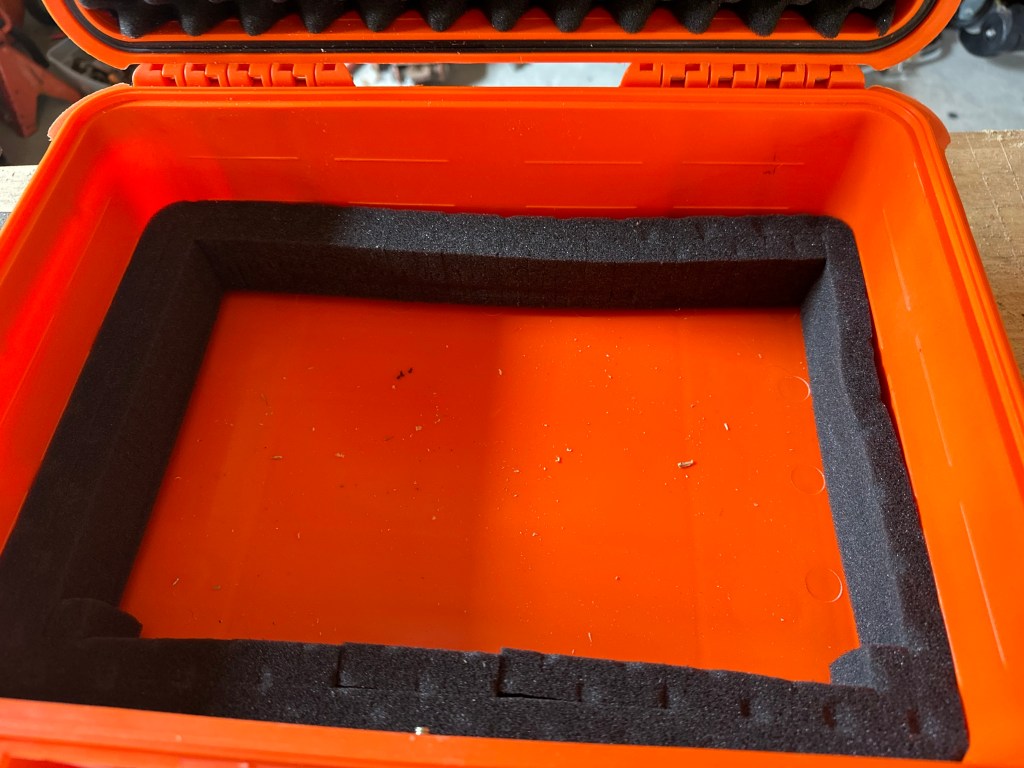
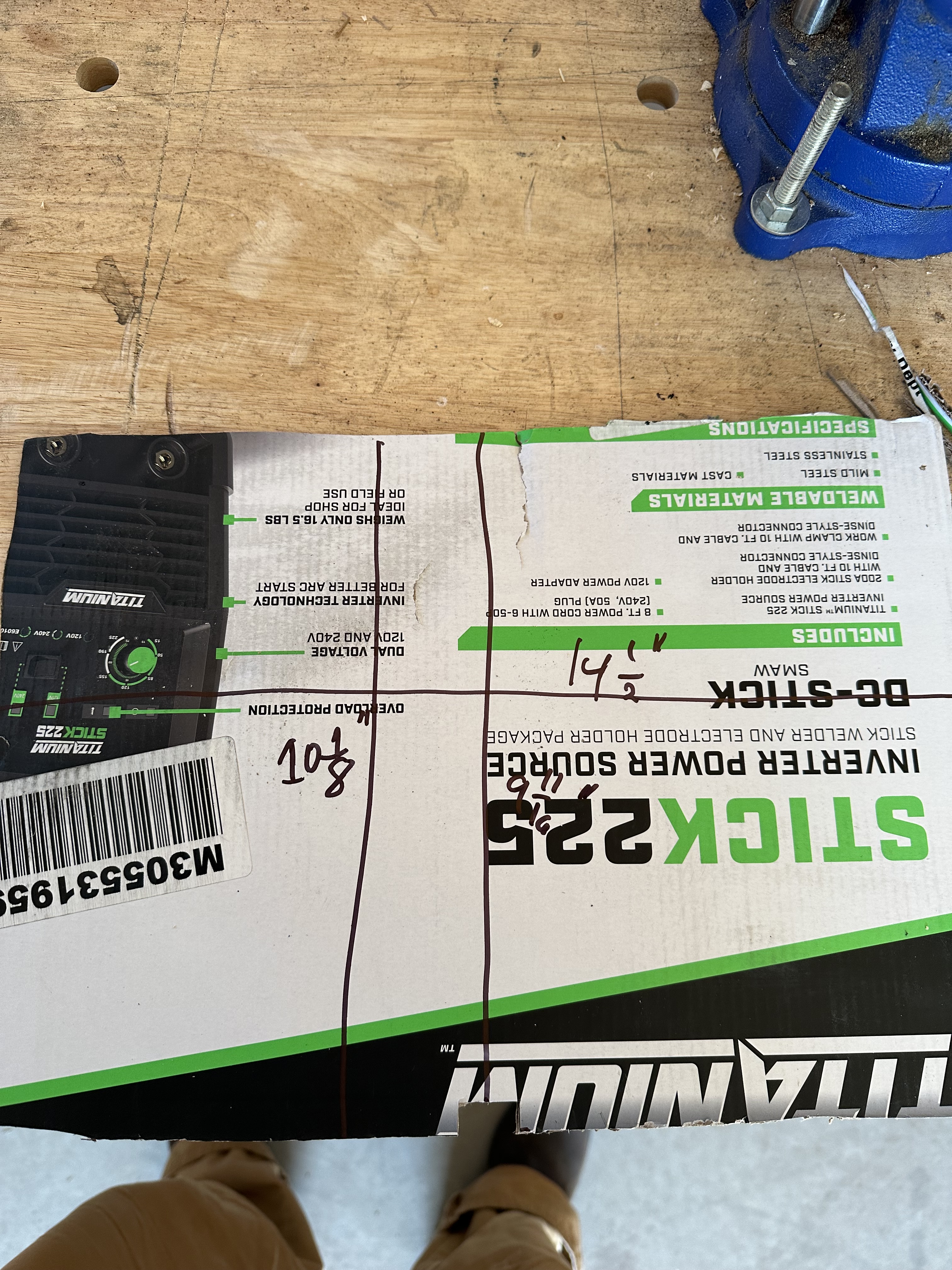
Selection of a box then drove a layout platform. Really available 3/4″ plywood was handy for rigidity an functional flexibility. Using cardboard I began to map out a sufficient layout for both kits.
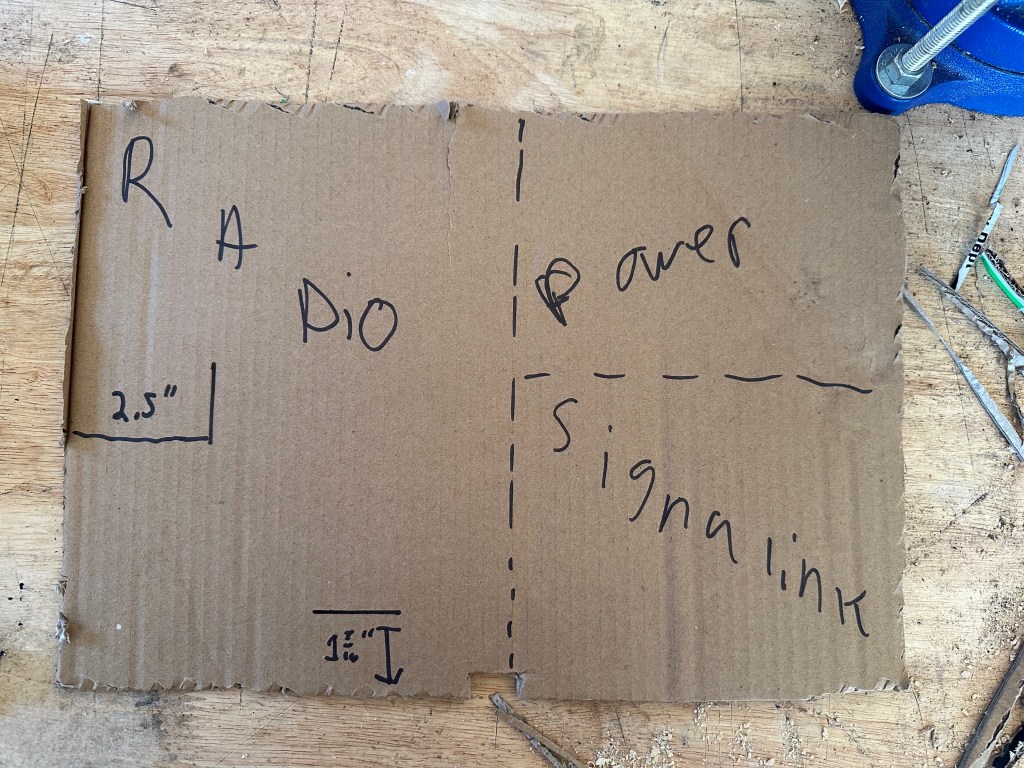
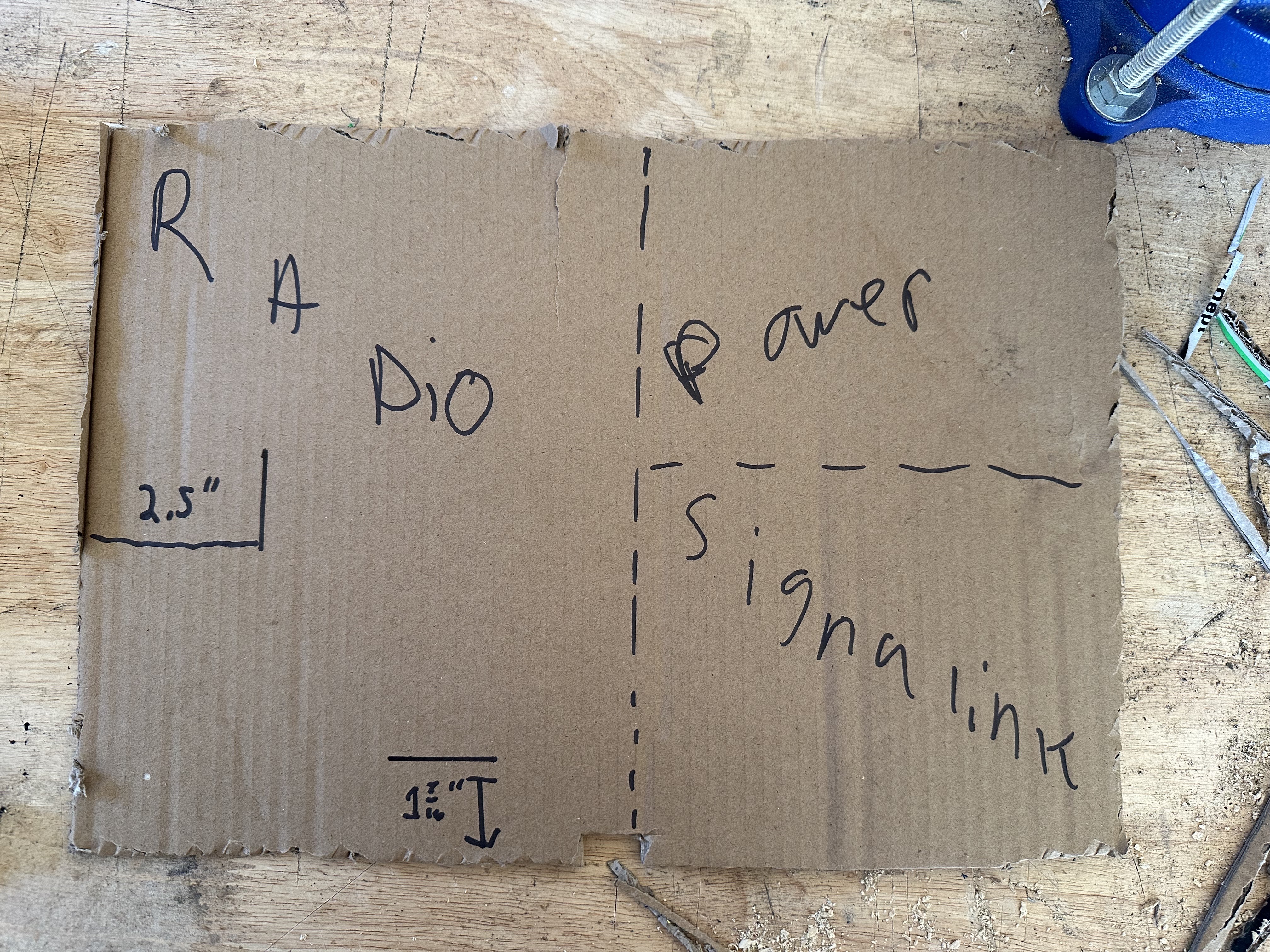
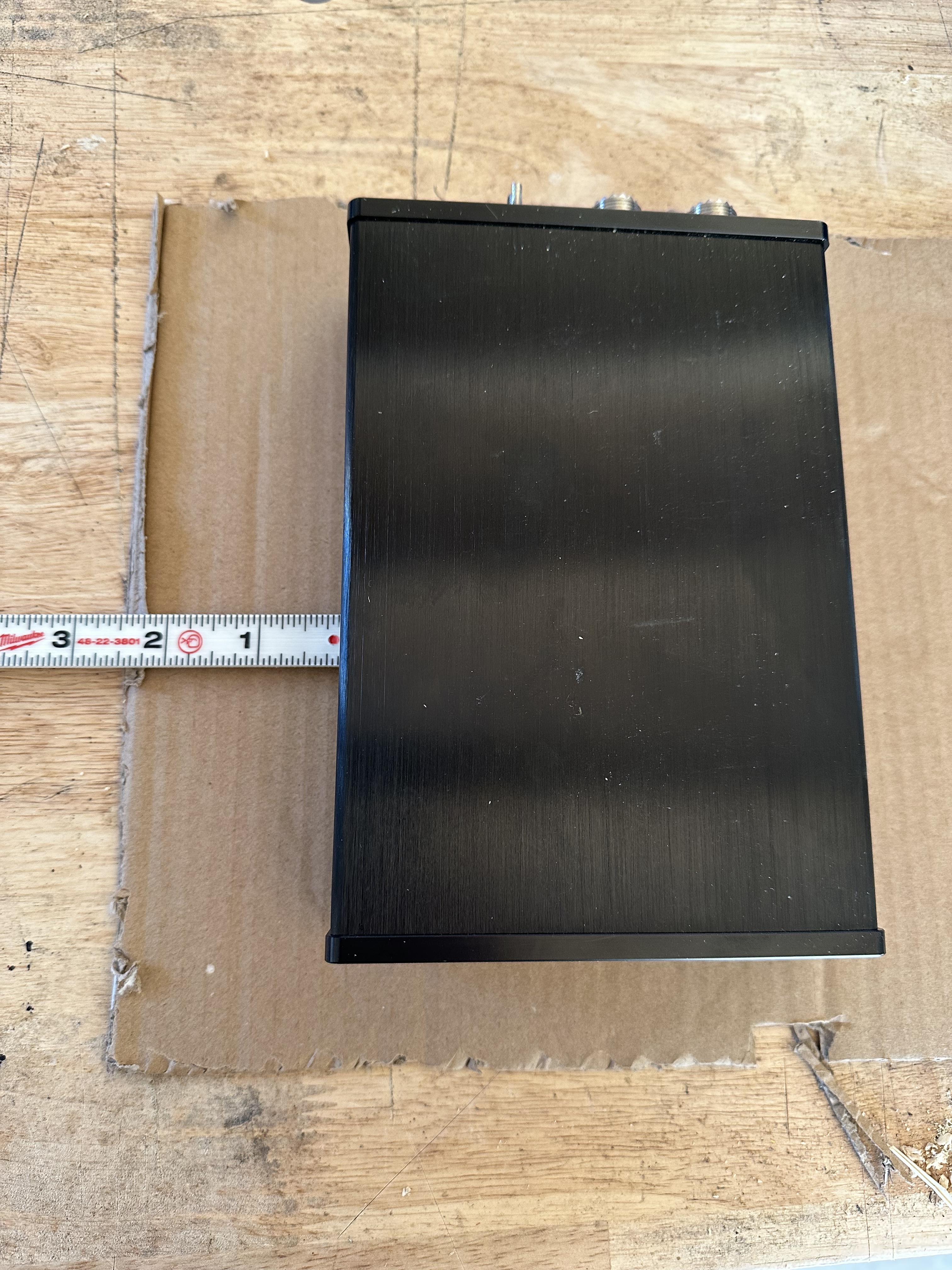
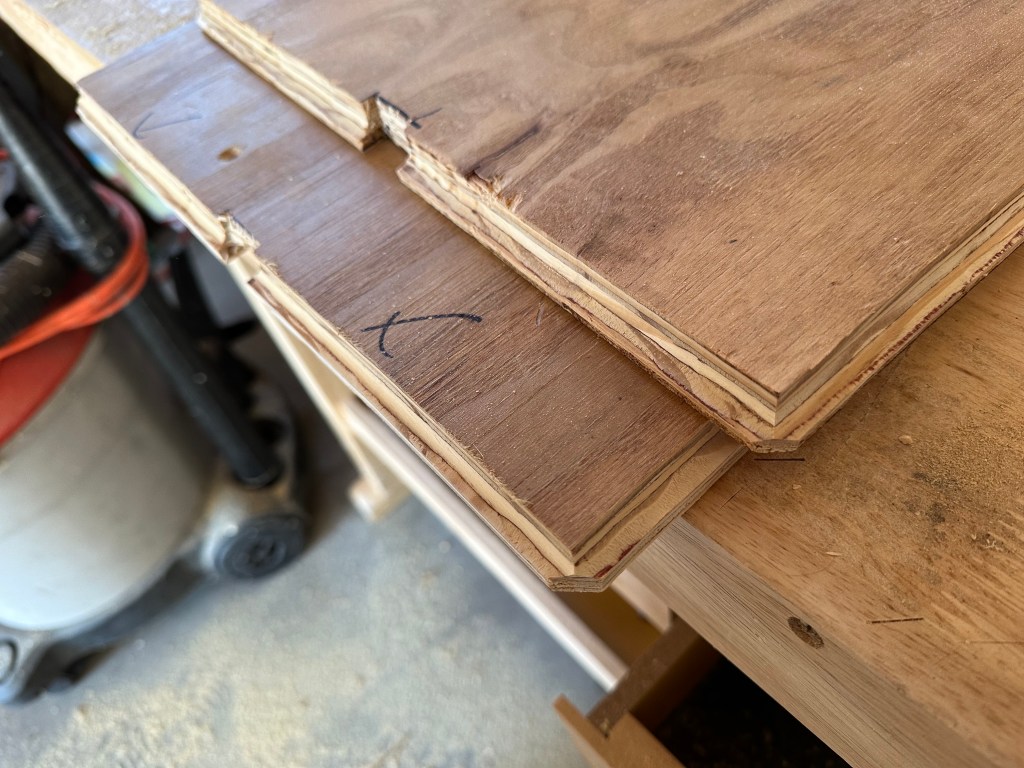
Once sufficiently satisfied with my outcome, I began to manipulate and work with Plywood to reveal my mounting platform. using a 1/4″ curve router bit, I attempted to give this some flair. Linseed oil acted as a rudimentary protectant.
After boards were properly seasoned mounting could begin. Use of pot metal straps affixed signalink and KI0BK power distribution items to platform using 1/4″ cabinet screws. Here is my end result. Field deployed PDA’s can be removed from enclosure if needed.
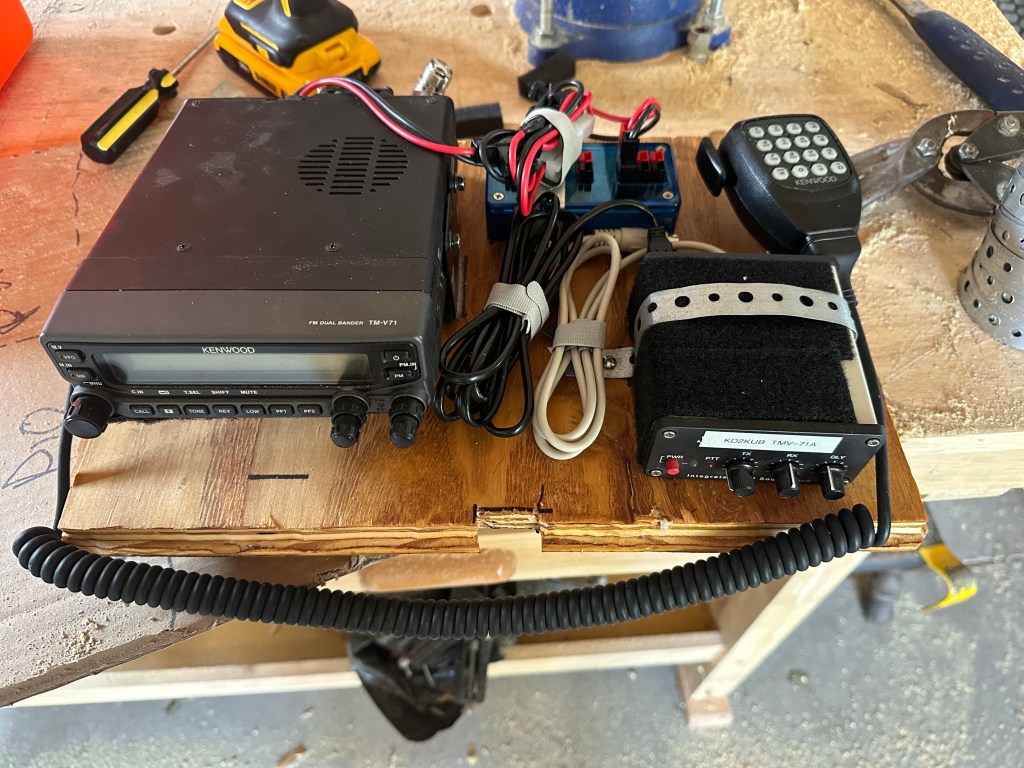
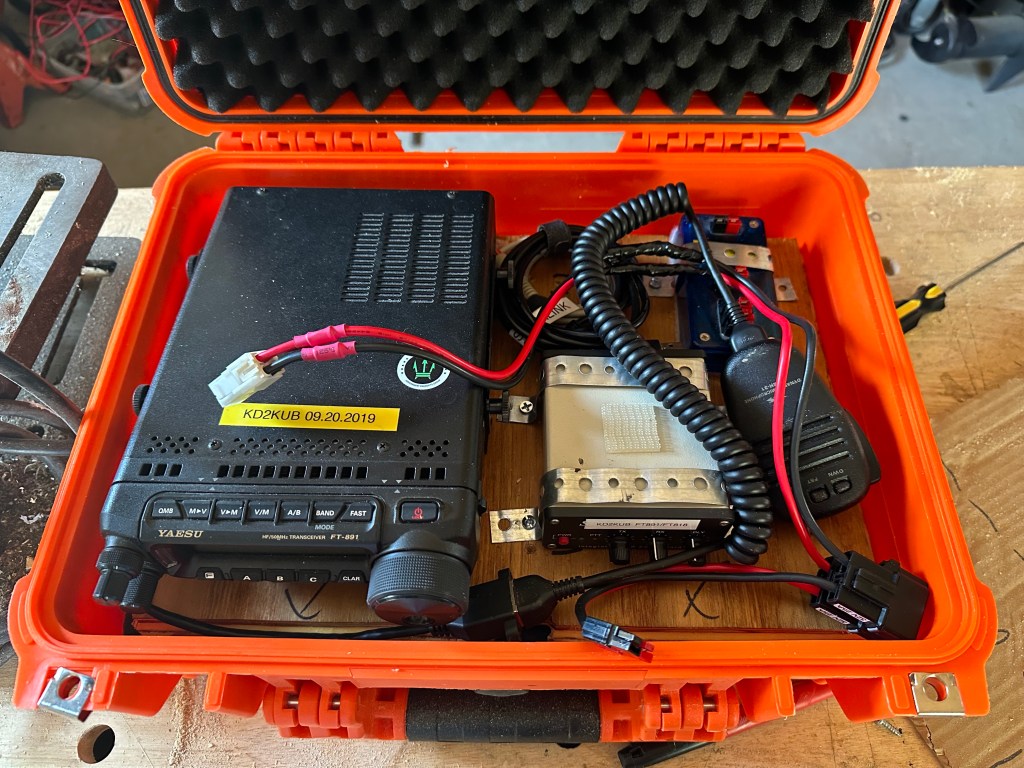
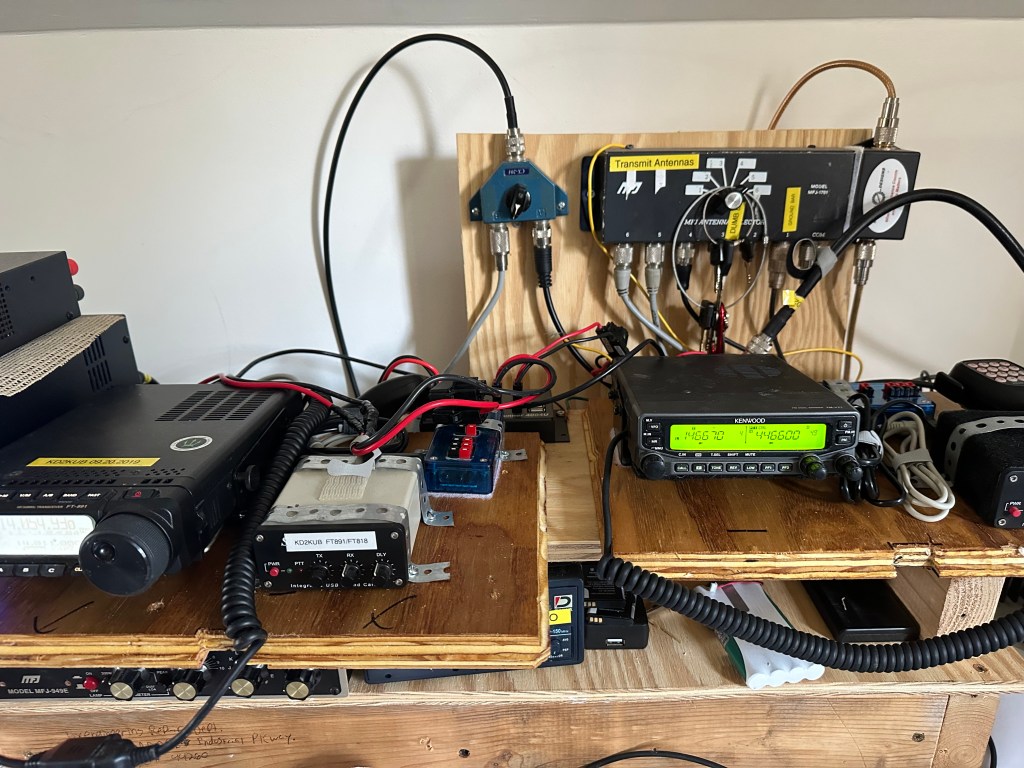
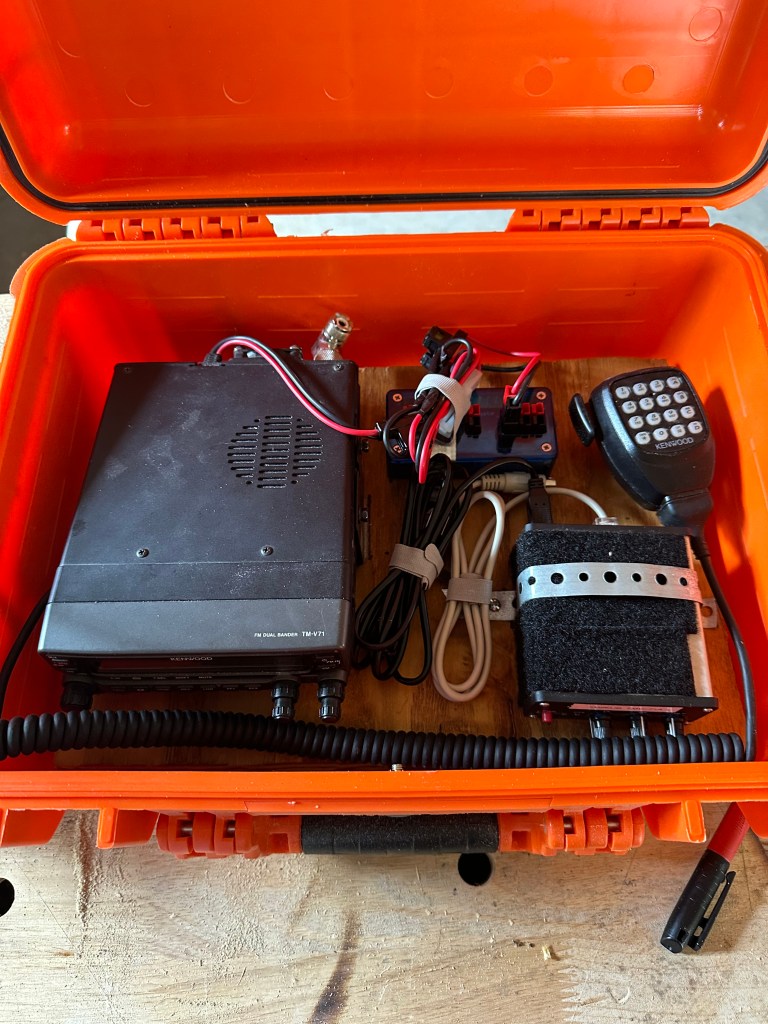
In a conclusion, I attempt to bring realization to my own question of why amateurs take refuge in their own self-interest of improvement. Any attempt to answer such a question should be only answered with additional questions as noting an aura of “Randomality with hints of human dignity, desire and respect to a greater population are intertwined within.” This simply means, Amateurs like to do what they feel is operationally important to them and seeing everyone can benefit from this in some way. I simply feel that anyone can pick any one of these PDA’s up and with working knowledge of amateur radio equipment of this nature can operate it comfortably.
Disclaimer: My own setup is my own and I choose certain elements that make my life and operating procedures simple as possible. There may be other items of use that readers can employ and replace for my setup. Use what makes your setup simple.
UPDATE: 04/16/2023 – After having considerable difficulty with my surface pro and Debian Linux installation regarding screen size and zoom aspects, I have decided to purchase a walmart based laptop for strict linux ham radio type work. I am amazed at how easy and painless it was to get all software installed with wifi card working. This was a good purchase.
Using this setup on HF today, I was able to comfortably configure my Linux PC to utilize WSJTX, JS8Call and FLDIGI.
UPDATE: 04/21/2023 – After some days of operating, I find this setup is highly mobile and a very good layout with not too many wires. As weather improves, I will be conducting further tests on park benches or here at my home and evaluating deployment activity of this kit.
A later update will outline if my requirements were met.
 kd2kub.org